
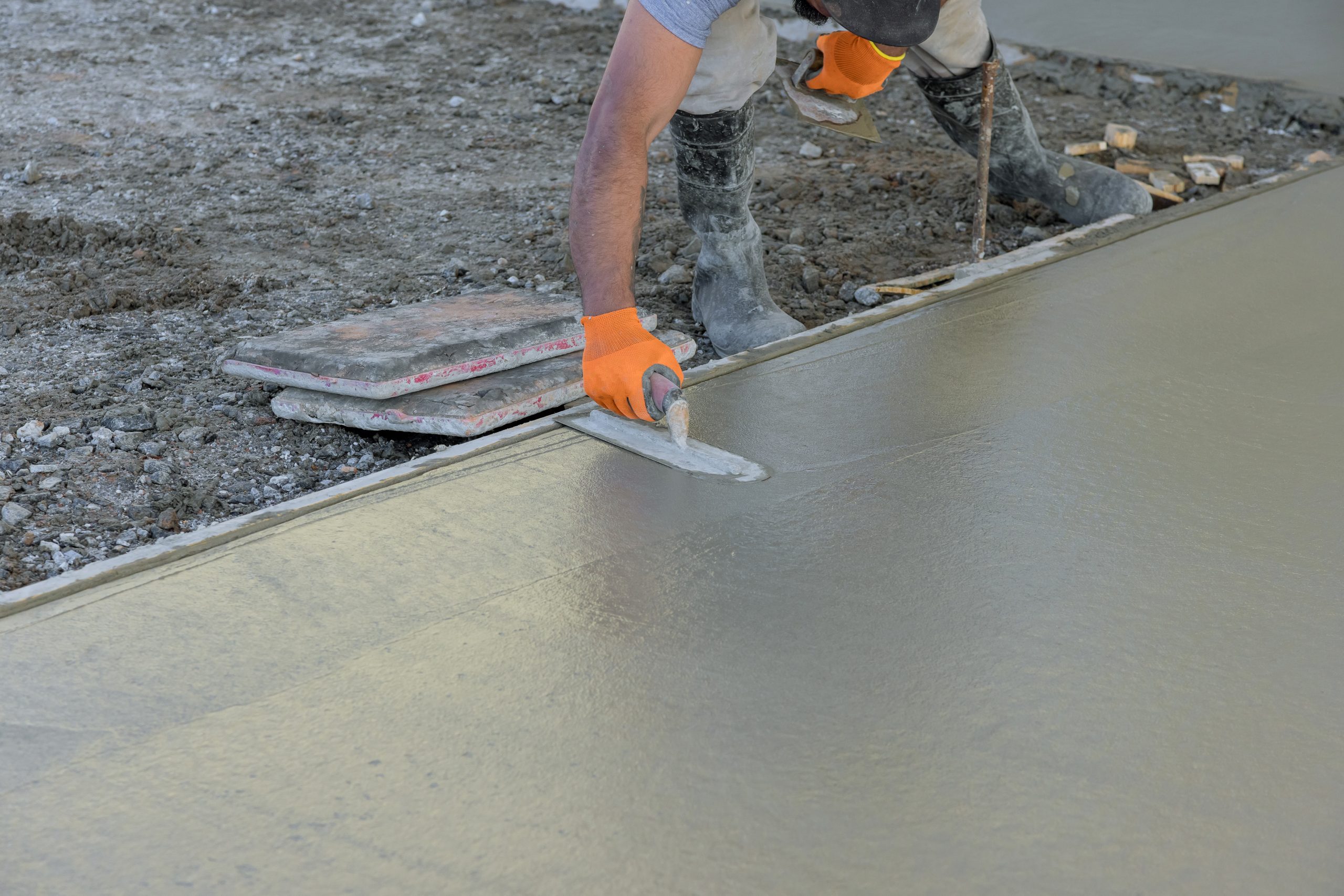

Fresh concrete changes how a property feels underfoot and how it handles rain, weight, and regular movement. A driveway, path, or patio may appear straightforward, yet performance depends on the ground below, water flow, slab depth, steel placement, and curing control. Minor oversights can later show as edge spalling, shallow ponding, or hairline cracking. Sound planning at the outset provides owners with safer access, easier upkeep, and a surface that keeps its shape through daily use.
Site Conditions
Ground behaviour decides whether a slab stays level or begins to move after heavy rain. Before any pour, owners often assess slope, runoff paths, and nearby examples such as concrete ringwood to judge how grading, finish choice, and joint layout influence drainage and crack control. Buried roots, loose fill, and old excavation zones can weaken support beneath the slab. Early inspection usually prevents expensive corrective work.
Drainage Planning
Water is usually the first cause of trouble, so drainage deserves close attention. A slab should send runoff away from walls, door thresholds, and planted edges without leaving shallow pooling. Even a strong mix can discolour or wear early if moisture lingers on the surface. Correct fall also lowers slip risk during colder weather and helps protect nearby paving, soil, and retaining elements from washout.
Intended Use
Function should guide the build, rather than appearance alone. A garden path carries a very different kind of stress from a driveway, parking bay, or bin pad. Vehicle mass, wheel pressure, and repeated turning all affect depth and reinforcement needs. Surfaces planned for light foot traffic may fail early if heavier use arrives later. Clear expectations help prevent thin sections, broken corners, and patchwork repairs.
Traffic Frequency
Frequency matters, even when loads seem modest at first. Occasional parking places less strain on a slab than repeated turning over the same area each day. Shared access points often wear faster near gates, apron edges, and tight corners.
Thickness And Reinforcement
Slab thickness should match the task, rather than follow habit. Thin concrete may look acceptable at first, yet repeated loading often exposes weakness sooner than expected. Reinforcement helps the body resist shrinkage stress and minor ground movement. Steel mesh or bars must sit at the correct depth to function properly. Poor placement reduces support and leaves the surface more prone to cracking under pressure.
Base Preparation
The material beneath the pour directly affects service life. Compacted crushed rock, placed in layers, gives the slab firm support and reduces uneven settlement. Soft patches should be removed before placement begins, especially where fill has shifted or absorbed moisture. Skipping this stage can leave hollow zones that break during normal use. Good preparation also keeps finished levels consistent near doors, drains, and fences.
Concrete Mix Choice
Mix selection influences strength, abrasion resistance, and long-term appearance. Outdoor areas usually need a blend suited to moisture exposure, heat, and steady temperature change. Aggregate size also matters because it affects finish texture and placement control. Shaded sites, leaf fall, and regular staining can raise extra concerns before ordering. A suitable mix generally ages better and develops fewer visible defects over time.
Finish And Slip Resistance
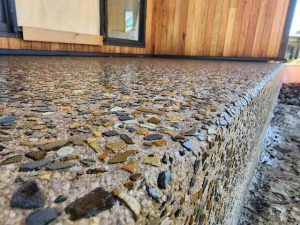
Surface finish affects both safety and appearance. A broomed texture gives a reliable grip in wet weather, which suits entries, walkways, and pool surrounds. Exposed aggregate adds visual depth and a firmer feel underfoot, while smoother finishes are better kept for covered areas. Colour choices also deserve equal care. Darker tones may hide dust, but they often retain more heat and show curing variation more clearly.
Joints And Crack Control
Most slabs crack at some point because shrinkage and ground movement place the surface under tension. Control joints guide that movement into planned lines instead of random marks across the face. Spacing should suit the slab shape, overall dimensions, and nearby fixed points. Expansion gaps near walls or steps also matter. Well-placed joints usually improve appearance and lower the chance of broader structural splitting later.
Timing And Weather
Weather affects each stage of the pour, from placement to finishing. Hot conditions can dry the top too quickly and leave a weaker surface skin. Rain may damage fresh concrete before it firms, while cool air can slow strength gain. Scheduling should allow room for forecast changes and property access needs. Owners often need temporary parking, alternate entry routes, and clear barriers during the curing period.
Curing And Aftercare
Fresh concrete needs protection after placement, even when the top looks firm. Early moisture loss can reduce strength and increase the risk of fine surface cracking. Proper curing supports a denser finish and helps the slab reach its intended performance. Foot traffic and vehicles should stay off until safe access is confirmed. Sealing may also help where staining, weather exposure, or heavier use is expected.
Conclusion
Laying new concrete involves far more than choosing a shape and setting a date. Stable ground, proper fall design, suitable thickness, and accurate reinforcement placement all influence how the surface performs over time. Finish choice also affects grip, cleaning effort, and heat retention through warmer months. Owners who plan each stage carefully are less likely to face preventable repairs or uneven wear. With sound preparation, a new slab can remain practical, neat, and reliable for years.


 0
0
 0
0
Average Rating