Introduction
Water damage often starts quietly, then spreads through linings, framing, insulation, and floor systems before visible stains appear. Small leaks can trigger mould growth, surface swelling, paint failure, and costly structural decay within months. Property owners who act early usually avoid larger repair bills later. A sound waterproofing plan protects wet areas, exterior surfaces, and hidden junctions where moisture commonly enters during heavy rain, daily use, or poor drainage.
Early Warning Signs
Early warning signs rarely stay minor for long. Bubbling paint, musty odours, cracked grout, and damp skirting often point to failed seals behind finished surfaces. In those cases, waterproofing specialists in Auckland can trace moisture paths, test weak areas, and recommend membranes suited to bathrooms, balconies, or retaining walls before deeper damage reaches framing or nearby rooms.
Hidden Entry Points
Moisture usually slips through junctions, not open holes. Wall to floor corners, shower niches, pipe penetrations, window perimeters, and balcony thresholds fail first under movement. Rain then tracks sideways, which means the wet patch seen indoors may sit far from the actual breach. That pattern is why inspection matters before any tile, plaster, or sealant work begins.
The Cost of Delay
Repair costs rise once water reaches timber, steel, or concrete reinforcement. Saturated boards lose strength, adhesives release, and finishes stain beyond cleaning. Insurance may also become harder if neglected leaks show a long history. Prompt action usually reduces labour, waste disposal, replacement materials, and downtime for households or commercial spaces.
Why Membranes Matter
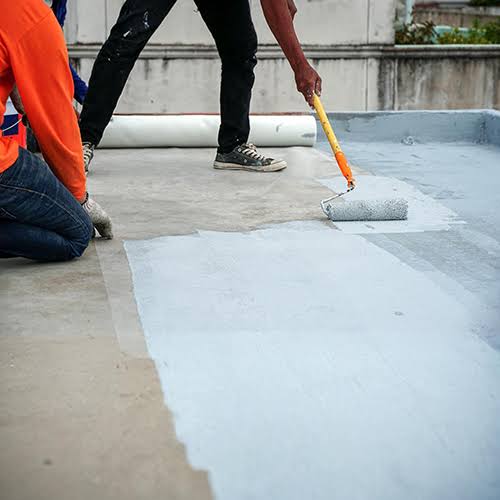
Waterproof membranes form the barrier that tiles and paint cannot provide alone. Liquid systems suit many internal wet areas, while sheet products can offer consistent thickness on larger surfaces. Product choice depends on substrate movement, curing time, traffic exposure, and finish type. A mismatch at this stage can shorten the life of the whole assembly.
Wet Areas
Bathrooms and Laundries
Bathrooms and laundries face daily spray, steam, and cleaning chemicals. Floor wastes, wall penetrations, hob transitions, and vanity zones need careful detailing because each junction moves differently. Falls must direct water to drains without ponding. If gradients, primers, or cure times are wrong, moisture can sit below tiles and slowly damage adhesives or backing boards.
Exterior Surfaces
Balconies, decks, roofs, and basement walls handle weather, thermal movement, and standing water. Exterior failures often start with blocked outlets, weak flashings, or cracked joints near edges. Sun exposure also ages coatings faster than many owners expect. Regular checks after storms can reveal ponding, lifted seams, or small fractures before larger leaks form.
Assessment Process
A proper assessment combines moisture readings, visual checks, substrate review, and drainage testing. Contractors should confirm movement joints, compatible primers, membrane thickness, and curing conditions before finish layers begin. Written scope notes help clarify what gets repaired, replaced, or left untouched. That record limits confusion if hidden damage appears after removal starts.
Material Choices
Different substrates demand different systems. Concrete, fibre cement, timber sheets, and screeds each expand, absorb, and bond in distinct ways. Chemical exposure matters as well, especially in laundries, plant rooms, or commercial kitchens. The best result usually comes from matching the membrane, adhesive, sealant, and tile assembly as one coordinated build.
Choosing the Right Scope
Credentials, method statements, and product warranties matter more than low quotes. A reliable specialist explains preparation steps, drying times, flood testing, and limitation points in plain language. Previous work in similar buildings is useful evidence. Clear communication also helps owners schedule access, protect finishes, and avoid rushed sequencing with other trades.
Maintenance Habits
Long-term protection still depends on routine care after installation. Property managers should clear drains, renew failing sealant, repair cracked grout, and watch for swelling around trims or skirtings. Occupants can also reduce risk by drying pooled water and reporting stains early. Simple checks every season often prevent hidden moisture from gaining time.
Conclusion
Waterproofing works best before visible damage becomes a larger building problem. Careful inspection, correct preparation, and compatible materials can protect bathrooms, balconies, roofs, and below-ground surfaces for years. Owners who respond early usually spend less, face fewer disruptions, and preserve property value more effectively. With the right scope and disciplined workmanship, moisture stays where it belongs, and the structure remains safer, drier, and easier to maintain through changing seasons.



 0
0
 0
0

Average Rating