Introduction
Harsh weather puts steady pressure on any roof. Rain seeps into weak spots, sun dries surfaces, and wind lifts loose edges over time. A professional paint system helps reduce that pressure by sealing exposed material and slowing surface wear. Instead of acting as a cosmetic extra, roof painting works as a practical barrier that helps homes stay safer, drier, and easier to maintain through rough seasonal shifts.
Weather Hits First
In coastal cities, roofing materials face moisture, salt, heat, and sudden temperature changes within short periods. That mix can cause fading, rust, small cracks, and surface chalking. Many property owners turn to roof painting specialists in Auckland after noticing early wear, because trained crews understand preparation, coating choice, and climate pressure, all of which shape how well a roof handles repeated storms.
Moisture Finds Weak Points
Roof paint forms a sealed layer over exposed areas where water can settle. This matters on metal sheets, concrete tiles, and older surfaces with minor porosity. Once moisture enters small gaps, it can trigger corrosion, mould growth, and internal staining. A properly applied coating reduces that entry path and helps the roof dry faster after heavy rain.
Sun Drives Surface Damage
Strong sunlight breaks down unprotected roofing material over many seasons. Ultraviolet exposure fades colour, dries binders, and weakens older finishes. Professional coatings slow that process by adding a protective film that reflects part of the heat load. Lower surface stress means less brittleness, fewer flakes, and a steadier appearance across the roofline.
Wind Exploits Loose Areas
High winds rarely damage a sound roof in one moment. More often, gusts work on corners, laps, and worn sections that already show weakness. Fresh coating does not replace structural repair, yet it helps secure cleaned and prepared surfaces after faults are treated. That extra layer can limit lifting, edge wear, and dirt buildup during windy periods.
Salt Air Speeds Corrosion
Homes near the sea face another problem, salt carried by air. Salt particles settle on roofing surfaces and hold moisture against the material. Metal roofs suffer most if that film stays in place. Professional painters remove contamination before coating begins, then apply systems made to resist corrosion. That sequence helps slow rust and extends service life.
Preparation Sets Performance
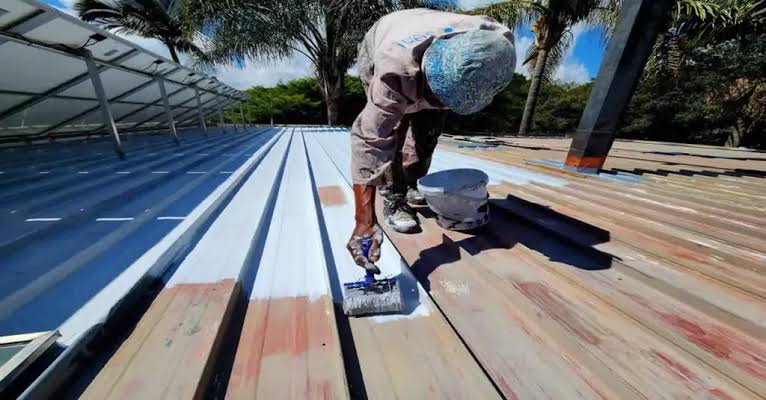
A roof coating is only as good as the surface beneath it. Skilled teams inspect the roof, clean debris, treat moss, repair minor faults, and prime vulnerable spots before paint goes on. Each step matters because trapped dirt or untreated damage shortens coating life. Careful preparation gives the topcoat a sound base and improves long-term protection.
Coating Choice Matters
Different roofs need different products. Metal may need anti-corrosion primers, while concrete often benefits from breathable coatings that resist water pickup. Climate also shapes product choice, since heavy rain and salt exposure demand stronger durability. Professionals match the system to the material, condition, and setting, which helps avoid peeling, blistering, or early colour loss.
Small Costs, Larger Savings
Roof painting often costs less than repeated repairs caused by neglected surfaces. By slowing rust, water entry, and coating breakdown, a well-painted roof can reduce maintenance frequency. It may also improve energy comfort by limiting surface heat absorption on hot days. Over several years, those practical gains can protect household budgets as well as the structure itself.
Signs Paint Protection Is Needed
Property owners should watch for dull colour, powdery residue, flaking paint, moss growth, or orange rust marks. Small cracks and patchy finish lines can also signal failing protection. These signs do not always mean replacement is due, though they often suggest the roof needs inspection. Early action usually gives better results and avoids deeper material damage.
Conclusion
Professional roof painting helps roofs cope with rain, salt, wind, and harsh sun in a more controlled way. Its value comes from the full process, including inspection, cleaning, repair, priming, and correct coating use. When that work is done well, the roof gains a stronger outer layer that slows wear and limits future trouble. For many homes, that added protection supports longer service life and steadier performance.



 0
0
 0
0

Average Rating