
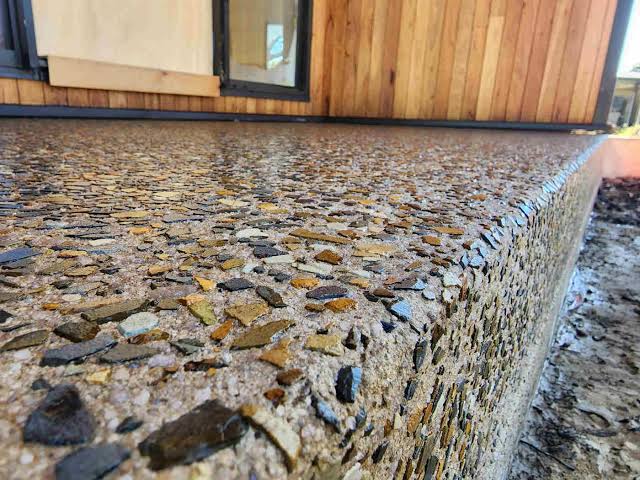

Concrete can appear solid while hiding a surface that is too dense, slick, or sealed to ensure a reliable finish. Acid etching changes the upper cement paste through a controlled chemical reaction. When done well, it can add texture, improve coating bond, and reduce the risk of slipping in wet areas. Done poorly, it can leave residue, patchy colour, or weak adhesion. The right choice starts with the slab’s condition, use, and finish requirements.
The Basic Idea
Before a coating, sealer, or outdoor finish is selected, the slab needs the right profile. Acid etching concrete uses a diluted acid wash to react with cement paste, open tight pores, and create a mild texture. That reaction can help suitable bare concrete accept later treatment and offer better grip underfoot.
How It Works
Preparation begins with cleaning because acid reacts with cement, not dirt or oil. The slab is usually dampened, then treated with a controlled solution. A light fizz shows the chemical reaction. After contact time, the area is thoroughly rinsed, neutralised where needed, dried, and checked before sealing, coating, or use as a textured finish.
Why People Use It
Most projects use acid etching for bonding, grip, or both. A rougher profile helps some coatings lock into the slab instead of sitting on a polished skin. Extra texture can also reduce slipperiness around pools, paths, driveways, and outdoor living spaces where water, bare feet, footwear, and vehicle tyres share one hard surface.
Best for Bare Concrete
Acid etching suits clean, uncoated concrete with sound cement paste at the top. Sealers, paint, curing compounds, grease, membranes, and heavy oil contamination prevent even contact. If those barriers remain, the reaction becomes weak or blotchy. In that situation, stripping, degreasing, or mechanical grinding usually needs to happen before any chemical profiling is considered.
When It Helps Coatings
Paints, stains, and sealers depend on adhesion as much as on product quality. Acid etching may help certain systems bond to a suitable slab by giving the coating small anchor points. Moisture still needs testing, and rinsing must be thorough. A dry-looking slab can still carry water inside its pores.
When It Improves Grip
Smooth outdoor concrete can become hazardous after sealing, rain, algae growth, or frequent washing. Etching can introduce a fine texture without the harsh feel of deep exposed aggregate. That balance matters around pool edges, patios, walkways, and driveway entries, where comfort, drainage, and footing all affect daily safety.
When To Avoid It
Acid etching should never be treated as a repair method. Dusting, crumbling, cracking, rising damp, and chemical contamination need proper assessment first. Runoff also creates risk near metal, stone, garden beds, stormwater drains, and finished surfaces. If control is difficult, another preparation method may be safer and more predictable.
Grinding Versus Acid
Grinding gives stronger control over profile, removal depth, and surface uniformity. It can strip coatings, reduce high spots, expose aggregate, and prepare demanding floors. Acid etching is lighter, cheaper in some settings, and more dependent on chemistry. For commercial coatings or uncertain slabs, mechanical preparation often gives better evidence of readiness.
Safety Considerations
Muriatic acid, also known as hydrochloric acid, can burn skin, injure eyes, and release irritating vapour. Safe work requires ventilation, gloves, eye protection, careful dilution, and controlled application. Nearby finishes should be shielded before work begins. Wastewater must be handled responsibly because acidic runoff can harm soil, plants, drains, and waterways.
Common Mistakes
Many failures begin before the acid is poured. Dust, laitance, oil, curing residue, or old sealer can block the reaction and leave an uneven texture. Another common issue is poor rinsing. Residue left in the pores can affect stain colour, sealer clarity, or coating adhesion. Patchy application may also remain visible after finishing.
Drying Time Matters
Drying is part of preparation, not an inconvenience or simply a waiting period. Moisture trapped below coatings can cause peeling, blistering, cloudy sealers, or poor cure. Timing depends on weather, slab thickness, ventilation, porosity, and product instructions. Visual dryness helps, but it should not replace moisture checks where coating performance matters.
The Right Use Case
Acid etching makes sense when concrete is bare, stable, clean, and suitable for a mild chemical profile. It works best for light coating preparation or improved traction on outdoor slabs. It is a poor fit for coated, polished, contaminated, damp, or weak concrete. A small test patch can confirm reaction, texture, and appearance.
Conclusion
Acid etching concrete has a clear place, but it is not a universal preparation step. On the right bare slab, it can improve adhesion, add usable texture, and support a safer finish. It cannot replace repairs, coating removal, moisture control, or grinding where those steps are required. The sound decision comes from reading the concrete first, then matching preparation to the finish and the conditions around it.


 0
0
 0
0
Average Rating